

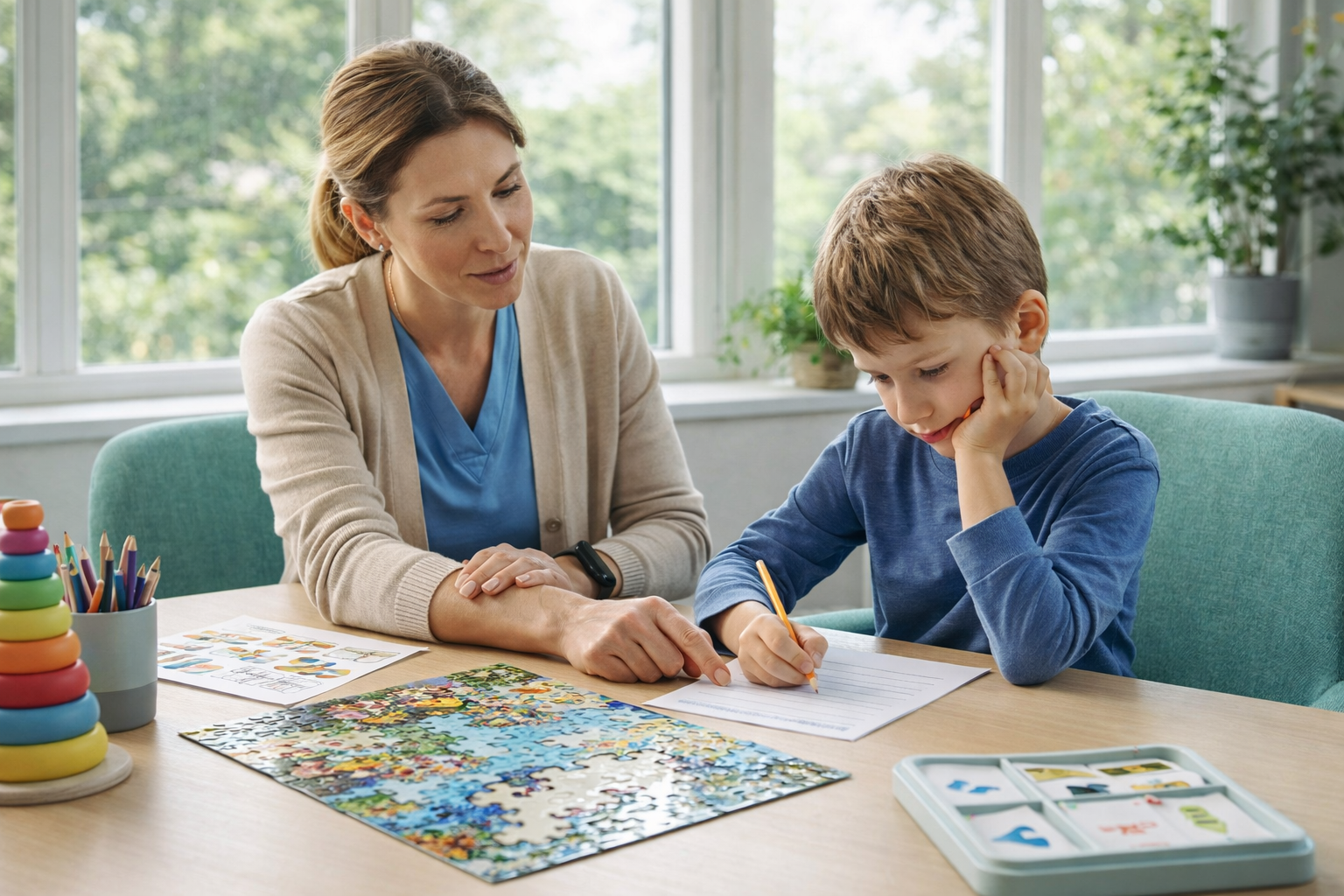
IQ of a 2e Child and How It Impacts Learning Strengths and Challenges
When parents hear that their child is “twice-exceptional,” one of the first questions that follows is about intelligence: what is the IQ of a 2e

Common 2e Diagnoses and How to Recognize Twice-Exceptional Traits Early
Twice-exceptional (2e) children are often misunderstood—not because their abilities are unclear, but because they are too complex for traditional labels. These children are both gifted
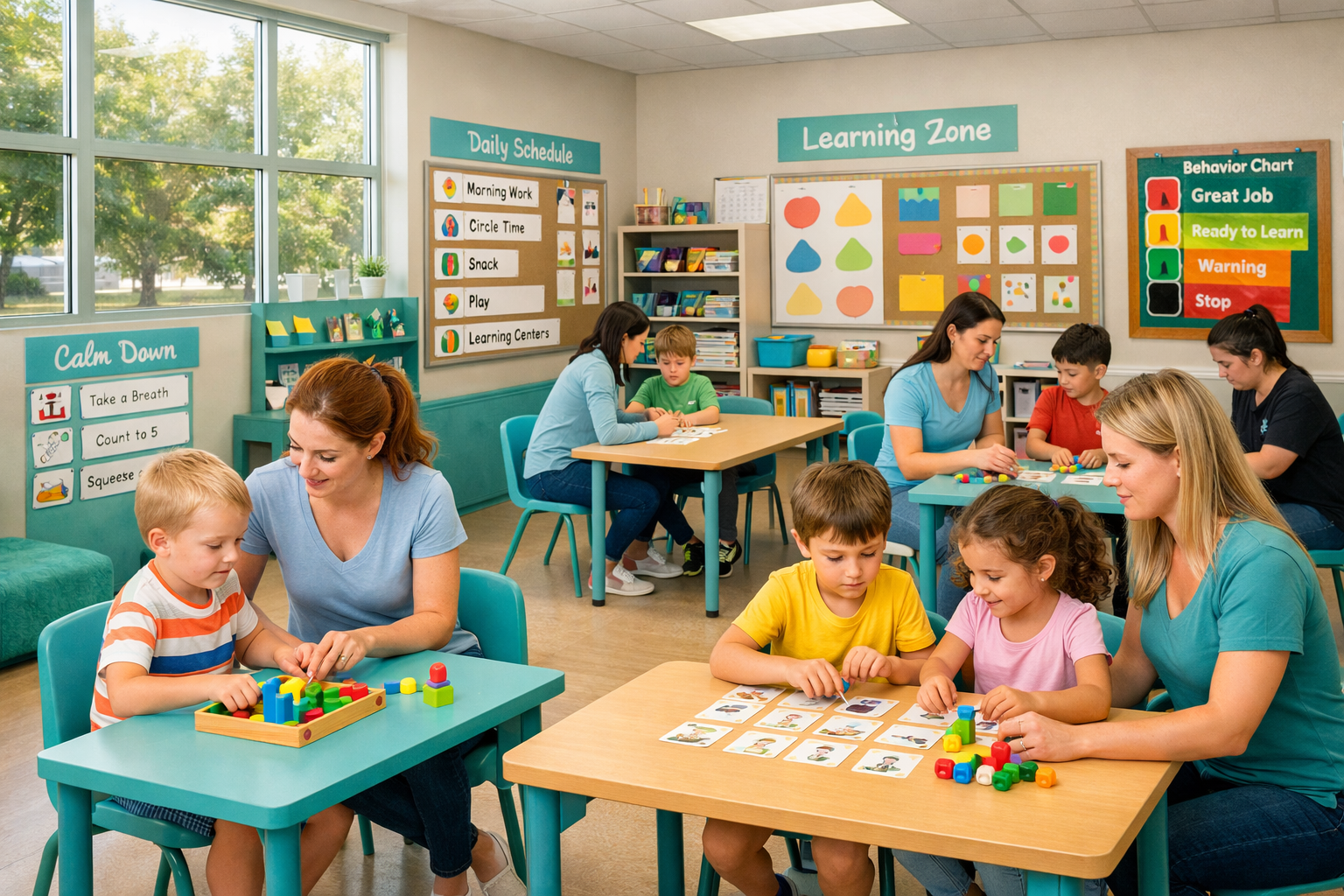
How Center-Based ABA Therapy Builds Social Learning Through Structure
For many families exploring autism support options, center-based ABA therapy offers a structured environment designed specifically to help children build communication, behavior, and social skills.

Digital Tools and Apps for ABA Therapy That Support Daily Skill Practice
Technology has become an increasingly valuable part of modern behavioral therapy. Today, digital tools and apps for ABA therapy help children practice communication, focus, and
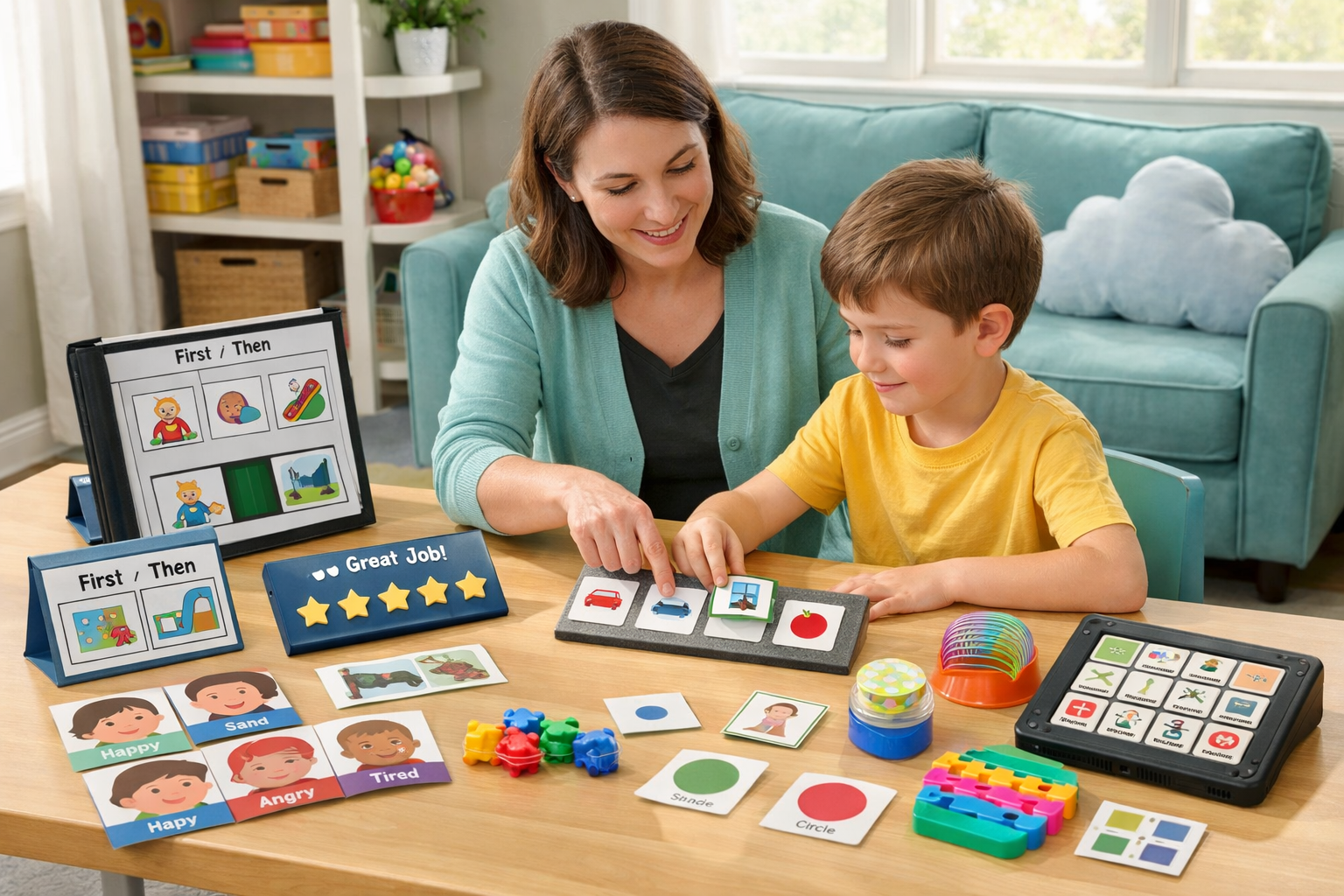
Instructional and Engagement Tools for ABA Therapy That Improve Focus
One of the most important goals of ABA therapy is helping children stay engaged long enough to learn new skills. For many children with autism
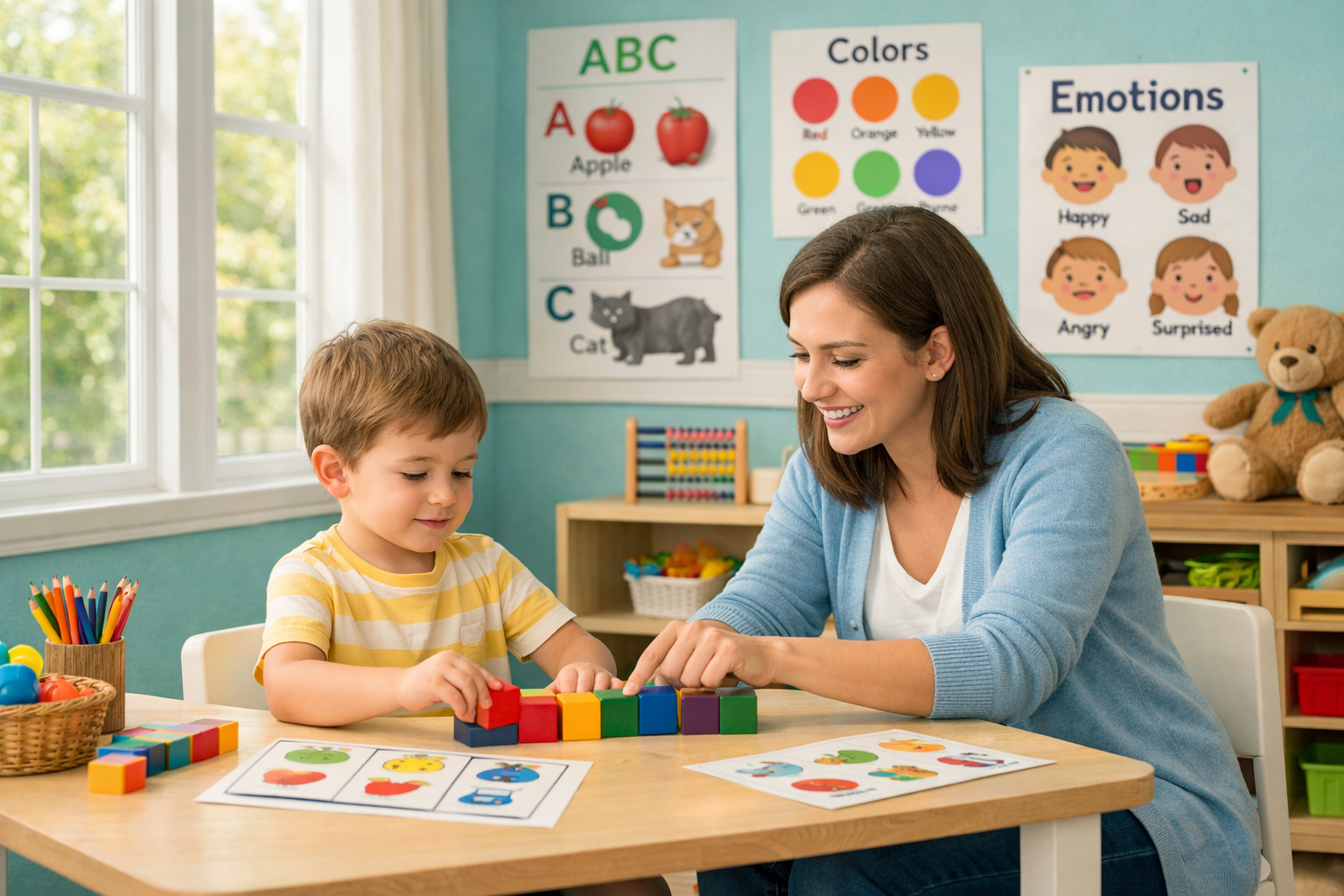
Best Age to Start ABA Therapy and Why Timing Matters for Progress
Parents who receive an autism diagnosis for their child often ask the same important question: what is the best age to start ABA therapy? Timing

Autism Therapy Centre Benefits for Children and Family Support
Choosing the right support environment can make a major difference in a child’s developmental progress. For many families, understanding the real autism therapy centre benefits goes beyond simply finding...

Multidisciplinary Autism Support That Strengthens Daily Living Skills
Autism affects more than one area of development—which is why support often works best when it comes from more than one type of professional. Communication challenges, emotional regulation, social...

Realistic ABA Therapy Expectations During the First Year of Care
Starting ABA therapy often brings a mix of hope, relief, and uncertainty for families. Many parents naturally wonder: How much progress should we expect? The truth is, understanding realistic...
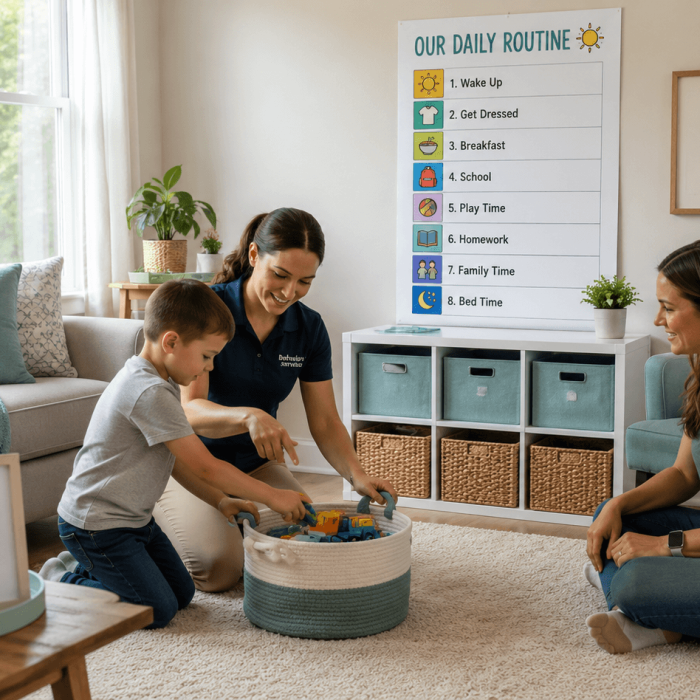
In-Home Behavior Support Routines That Reinforce Therapy Progress
Therapy sessions matter—but what happens between sessions often matters even more. Children build stronger, longer-lasting skills when therapy strategies continue throughout daily life. That’s why in-home behavior support routines...

Structured Peer Interaction in Autism Therapy Builds Social Confidence
For many children with autism, social interaction can feel confusing, unpredictable, or overwhelming. Understanding facial expressions, taking turns in conversation, or joining group activities may not come naturally—and without...

What Makes Autism Therapy Irvine Programs More Effective for Families
When families begin searching for autism therapy Irvine programs, they quickly realize that not all programs offer the same experience—or the same results. Some focus only on behavior reduction,...

Autism Therapy Parent Communication Tips for Better Progress Discussions
One of the biggest factors influencing a child’s success in therapy isn’t just the treatment plan—it’s communication between parents and therapists. Strong autism therapy parent communication creates consistency, improves...
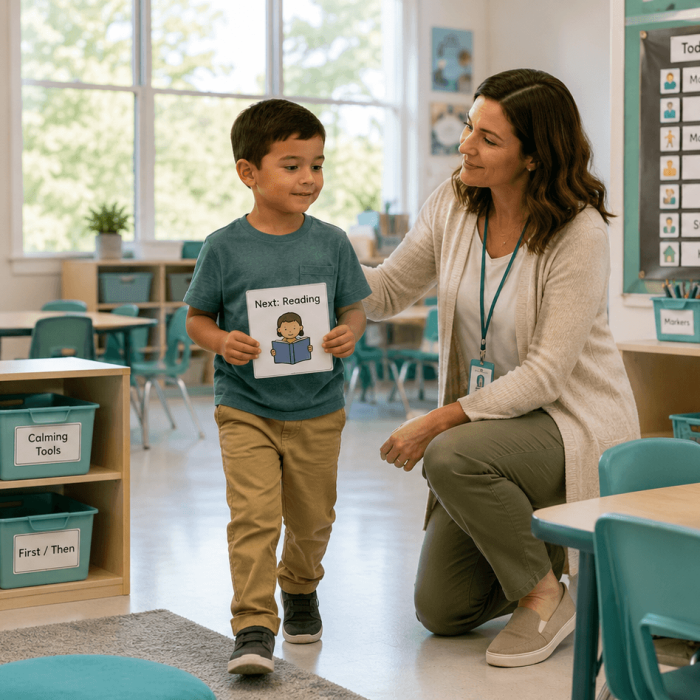
Autism Classroom Transitions and How to Reduce Daily Stress
For many children with autism, the hardest part of the school day isn’t the academic work—it’s the transitions. Moving from one activity to another, adjusting to schedule changes, or...
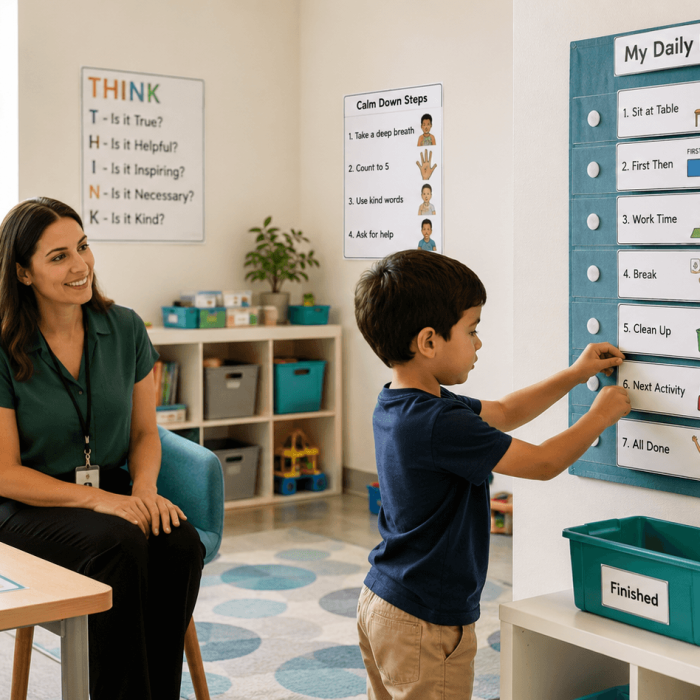
How ABA Therapy Daily Routines Improve Structure and Independence
For many children with autism, daily life feels more manageable when routines are predictable. Simple activities like getting dressed, transitioning between tasks, or completing homework can become overwhelming without...